
From Accusation to Public Stigma
Presumed InnocentThis flow traces how the trial turns Rusty into a public symbol and how acquittal only partially restores his place in the community.
increasing Bearing strength in each event
 decreasing
Bearing strength in each eventdecreasingA Face in the Headlines
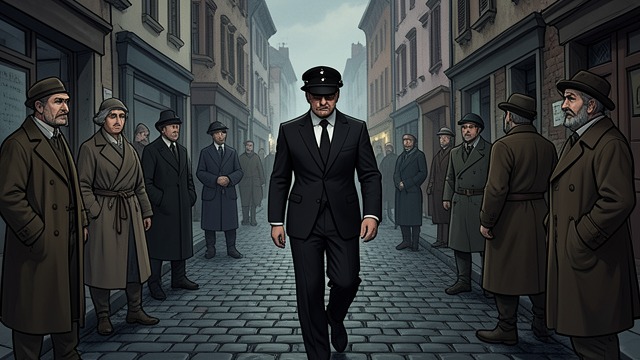
A Face in the Headlines
The public prosecutor becomes a story
Rusty has spent years appearing in court and news coverage as a representative of the state. After his indictment, the same familiarity makes it easy for television and newspapers to circulate his image as a suspected murderer.
Private life made spectacle
The press emphasizes the affair, the political rivalry, and the murder's sexual details. Rusty and Barbara lose control over which aspects of their family and professional lives become public entertainment.
A changed encounter with neighbors
People hesitate before greeting him, and casual conversations become awkward. He finds refuge in the library, where silence offers temporary relief from a community that recognizes his face but no longer knows how to address him.
Acquittal as Public Rehabilitation
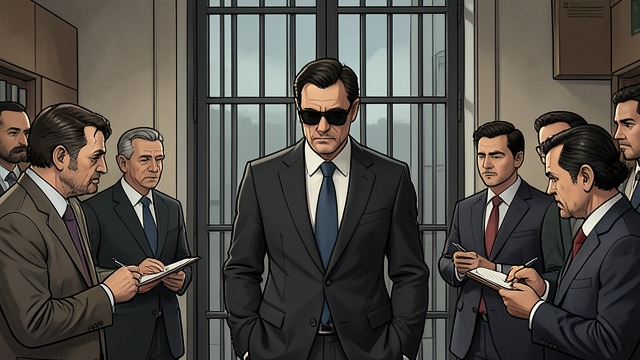
Acquittal as Public Rehabilitation
A sudden release
Lyttle ends the trial, and reporters race to broadcast the dismissal. Rusty is physically freed from the courtroom before he can fully understand that the prosecution has stopped.
The hero narrative
News coverage depicts him as a victim of a disastrous prosecution, and later he is applauded at Lydia MacDougall's judicial induction. The public begins to regret having taken pleasure in his humiliation.
A reputation not restored
Rusty knows that public sympathy is not the same as knowledge. People may believe he was framed, but he cannot correct their assumptions without revealing facts that could damage his family and reopen unresolved questions.
A Local Museum Piece
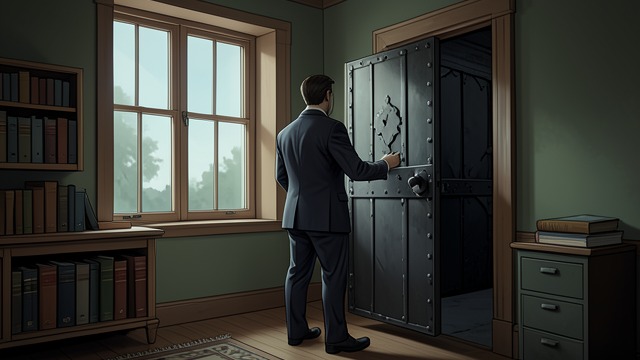
A Local Museum Piece
Remaining in Kindle County
Rusty decides not to leave the county, even though the scandal follows him. He expects to remain a public curiosity, someone defined by the murder trial and the suspicion that he was set up.
A difficult return to work
He accepts the acting prosecutor's position and chooses not to run for reelection. Colleagues and residents continue to interpret his career through the case, making ordinary professional life feel like an extension of the trial.
Living with the story
Rusty accepts that his public identity cannot be made whole again. He returns to work not because the past has been solved, but because staying offers a more manageable life than trying to begin entirely elsewhere.
The weeks before and after indictment
The day the trial is dismissed
The final months and the acting appointment
